
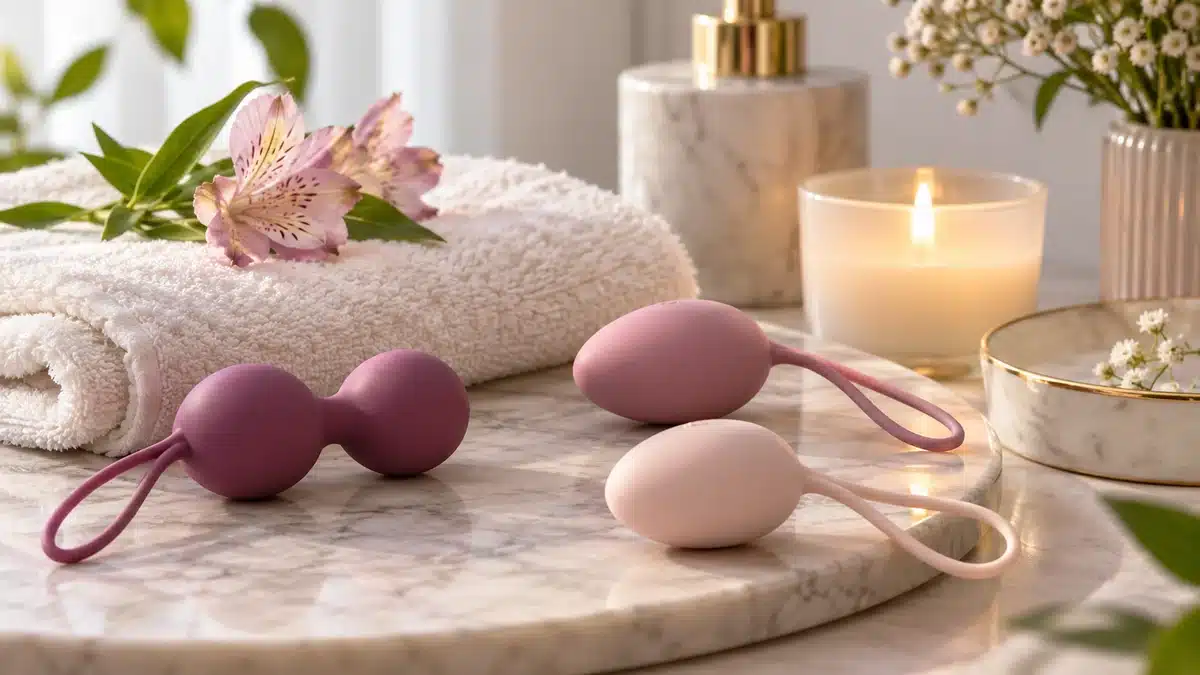
Vaginal Weight Lifting: 4 Habits That Matter More Than Hype

In this article

Reviewed September 2026
Quick answer

Vaginal weight lifting usually refers to using Kegel weights or vaginal trainers to challenge the pelvic floor gradually. The key habits are gentle progression, body-safe materials, stopping when uncomfortable and understanding that “more intensity” is not automatically better.

What people mean by vaginal weight lifting

Most people are not literally trying to become competitive “weight lifters.” In practice, they are talking about pelvic floor training with vaginal weights, cones or similar devices designed to help the pelvic muscles contract and hold.

This can overlap with Kegel training, but the goal should be body awareness and gradual strengthening, not treating the pelvic floor like a stunt challenge.

Habit 1: start lighter than your ego wants to

The pelvic floor responds better to gradual training than to forcing too much too soon. If a weight feels difficult to keep comfortably in place, that usually means you should start lighter, shorten the session or work on basic pelvic-floor engagement first.

Consistency is generally more useful than intensity. A little done correctly is better than a lot done forcefully.

Habit 2: choose body-safe, easy-to-clean materials

If you use vaginal weights, the device should be specifically designed for internal use and easy to clean. Non-porous, body-safe materials are the safer default. Avoid improvising with household objects or anything that was not designed for vaginal insertion.

The same basic principle appears in our guide to homemade dildo safety: materials matter, and “creative” substitutes are often not worth the risk.

Habit 3: respect discomfort

Pelvic floor training should not be confused with pushing through pain. If something feels painful, irritating or simply wrong, stop. People with pelvic pain, recent surgery, postpartum concerns or certain pelvic-floor conditions may need individualized advice rather than generic online tips.

Important: a tight pelvic floor is not the same thing as a strong, well-functioning pelvic floor. More tension is not always better.

Habit 4: treat it like training, not a dare

Good pelvic-floor habits usually include gradual progression, rest, hygiene and realistic expectations. Not everyone benefits from the same exercises, and more weight is not the only measure of progress. Better control, easier engagement and fewer symptoms may matter more.

If you are unsure whether pelvic-floor training is right for you, professional pelvic health guidance can be more useful than internet bravado.

When to skip it and get advice first

If you have pain, prolapse symptoms, significant discomfort, recent childbirth concerns or ongoing pelvic-floor symptoms, it makes sense to check with a qualified clinician before treating weighted training as a DIY fix.

Frequently asked questions

What is vaginal weight lifting?

It usually means training the pelvic floor with specifically designed vaginal weights or cones rather than literal competitive weight lifting.

Should beginners start heavy?

No. Starting with lighter resistance and shorter sessions is usually more sensible and more comfortable.

Can vaginal weights hurt?

They should not be used through pain. If they feel painful, irritating or wrong, stop and reassess.

Can I use any object for this?

No. Internal devices should be specifically designed for that purpose and made from body-safe materials.

Is a tighter pelvic floor always better?

Not necessarily. A pelvic floor can be too tense as well as too weak, so comfort and function matter more than intensity alone.


Sources and further reading

About Winixu.net: Educational and informational guides about sexuality, relationships, intimacy, kinks and adult lifestyle. Content is intended for adults.

Vaginal Weight Lifting: 4 Habits That Matter More Than Hype

Reviewed September 2026
Quick answer

Vaginal weight lifting usually refers to using Kegel weights or vaginal trainers to challenge the pelvic floor gradually. The key habits are gentle progression, body-safe materials, stopping when uncomfortable and understanding that “more intensity” is not automatically better.

What people mean by vaginal weight lifting

Most people are not literally trying to become competitive “weight lifters.” In practice, they are talking about pelvic floor training with vaginal weights, cones or similar devices designed to help the pelvic muscles contract and hold.

This can overlap with Kegel training, but the goal should be body awareness and gradual strengthening, not treating the pelvic floor like a stunt challenge.

Habit 1: start lighter than your ego wants to

The pelvic floor responds better to gradual training than to forcing too much too soon. If a weight feels difficult to keep comfortably in place, that usually means you should start lighter, shorten the session or work on basic pelvic-floor engagement first.

Consistency is generally more useful than intensity. A little done correctly is better than a lot done forcefully.

Habit 2: choose body-safe, easy-to-clean materials

If you use vaginal weights, the device should be specifically designed for internal use and easy to clean. Non-porous, body-safe materials are the safer default. Avoid improvising with household objects or anything that was not designed for vaginal insertion.

The same basic principle appears in our guide to homemade dildo safety: materials matter, and “creative” substitutes are often not worth the risk.

Habit 3: respect discomfort

Pelvic floor training should not be confused with pushing through pain. If something feels painful, irritating or simply wrong, stop. People with pelvic pain, recent surgery, postpartum concerns or certain pelvic-floor conditions may need individualized advice rather than generic online tips.

Important: a tight pelvic floor is not the same thing as a strong, well-functioning pelvic floor. More tension is not always better.

Habit 4: treat it like training, not a dare

Good pelvic-floor habits usually include gradual progression, rest, hygiene and realistic expectations. Not everyone benefits from the same exercises, and more weight is not the only measure of progress. Better control, easier engagement and fewer symptoms may matter more.

If you are unsure whether pelvic-floor training is right for you, professional pelvic health guidance can be more useful than internet bravado.

When to skip it and get advice first

If you have pain, prolapse symptoms, significant discomfort, recent childbirth concerns or ongoing pelvic-floor symptoms, it makes sense to check with a qualified clinician before treating weighted training as a DIY fix.

Frequently asked questions

What is vaginal weight lifting?

It usually means training the pelvic floor with specifically designed vaginal weights or cones rather than literal competitive weight lifting.

Should beginners start heavy?

No. Starting with lighter resistance and shorter sessions is usually more sensible and more comfortable.

Can vaginal weights hurt?

They should not be used through pain. If they feel painful, irritating or wrong, stop and reassess.

Can I use any object for this?

No. Internal devices should be specifically designed for that purpose and made from body-safe materials.

Is a tighter pelvic floor always better?

Not necessarily. A pelvic floor can be too tense as well as too weak, so comfort and function matter more than intensity alone.

Sources and further reading

Leave a Comment