
Why Is Cosplay So Sexualized? Culture, Media & Consent

In this article

Reviewed September 2026
Quick answer

Cosplay can look highly sexualized because some source characters are already designed around sexual appeal, erotic cosplay is a visible subgenre, and image-driven platforms amplify striking body-focused content. But cosplay itself is not inherently sexual, and a revealing costume never implies consent to touching, sexual comments or harassment.

Why does cosplay sometimes look so sexualized?

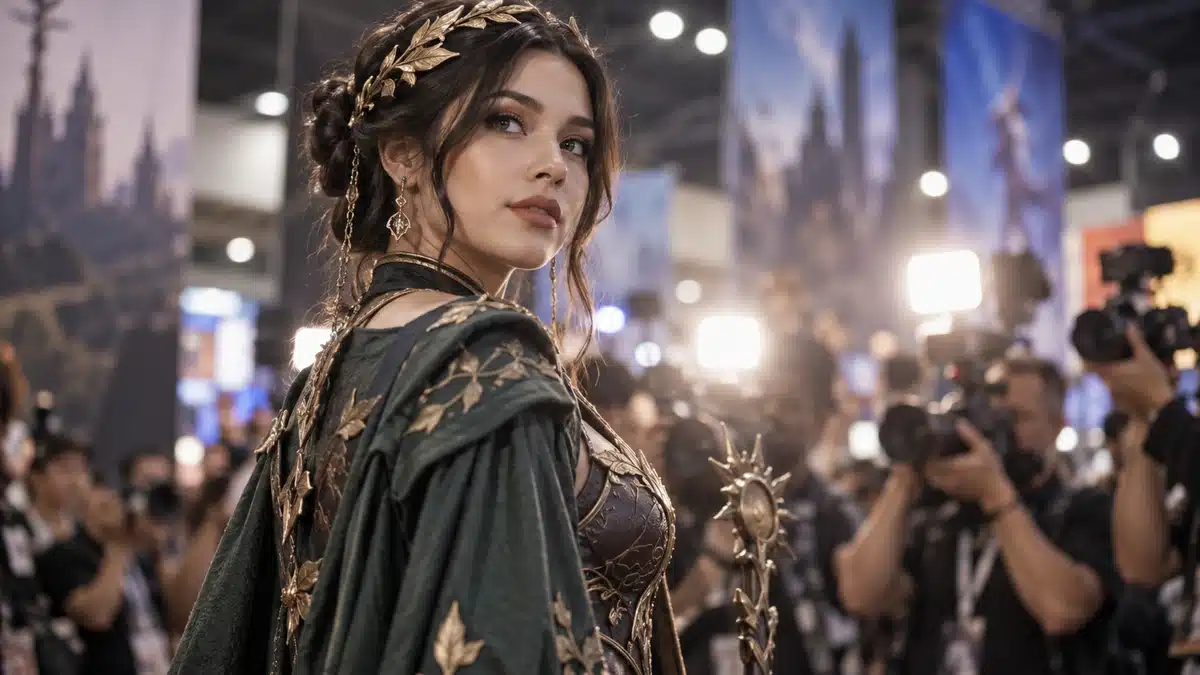
Cosplay is a broad fan practice built around costume, performance, craft and character interpretation. Sexualized cosplay is only one part of that culture, but it can become disproportionately visible online because visually striking images travel easily across social media, fan pages and commercial platforms.

Academic work on cosplay also treats erotic cosplay as one distinct form within a much wider practice that includes craftsmanship, performance, crossplay, gender exploration and fandom participation.

1. Some characters are already designed to be sexualized

Cosplayers often work from games, anime, comics and films in which characters may already have exaggerated bodies, revealing outfits or deliberately glamorous designs. Reproducing that costume can therefore look sexualized even when the cosplayer is simply trying to be accurate to the source.

Other cosplayers intentionally redesign a character as a more revealing or erotic version. That is a creative choice rather than a requirement of cosplay.

2. Social media rewards visually immediate content

Cosplay now exists both at physical events and in an image-first online environment. Content that communicates an idea instantly — dramatic makeup, a recognizable character, an elaborate costume or an intentionally sexy reinterpretation — can be especially shareable.

This can distort perception. Someone encountering cosplay mostly through highly engaged social posts may assume sexualized cosplay is more representative of the hobby than it actually is.

3. Sexualized cosplay can be chosen as self-expression

It is too simple to assume that every revealing cosplay reflects outside pressure. Research has found that some women who choose sexualized cosplay describe feeling empowered by that presentation, while the same research also discusses self-objectification and body surveillance.

Those experiences can coexist. A person may deliberately enjoy presenting themselves as sexy while still living in a culture that places strong appearance expectations on women.

4. Commercialization increases the visibility of erotic cosplay

Cosplay can now overlap with modelling, sponsorships, subscription platforms, convention appearances and professional content creation. When an audience is willing to pay for a certain style of content, that style can become more visible.

This does not mean all professional or popular cosplay is erotic. It means commercial incentives are one factor shaping what audiences encounter most often.

5. Sexualization and objectification are not the same thing

A cosplayer can intentionally create a sexy image without giving viewers permission to reduce them to a body or ignore their boundaries. Sexual self-presentation is a choice made by the person presenting themselves; objectification describes how somebody else may treat or perceive them.

That distinction becomes especially important at conventions and during photography.

Cosplay is not consent: a revealing costume does not give anyone permission to touch a cosplayer, make sexual demands, take invasive photographs or ignore a refusal.

What about “cosplay sex” and bedroom role-play?

Adults can consensually use costumes and characters in private role-play, but that is separate from ordinary cosplay participation. Seeing someone dressed as a character at an event does not imply that they use cosplay sexually or want sexual attention.

If you are specifically interested in consensual fantasy between partners, our guide to fantasy role-playing in relationships explains boundaries and communication in that context.

Does sexualized cosplay harm the community?

There is no single community-wide answer. Some fans see erotic reinterpretation as a valid form of creativity and sexual agency. Others worry about harassment, unrealistic body expectations or the way sexualized imagery can overshadow craftsmanship and other styles.

The more useful approach is to distinguish between voluntary sexual expression and sexualization imposed on somebody by others.

Can cosplay be completely non-sexual?

Absolutely. Cosplay can be about sewing, armor building, makeup, photography, acting, competition, fandom, friendship or simply enjoying a fictional character. Sexuality may be central for one creator and irrelevant for another.

A respectful way to approach cosplay:

  • Do not assume somebody’s intentions from their costume.
  • Ask before photographing a cosplayer.
  • Respect a refusal without argument.
  • Do not confuse online erotic content with universal cosplay culture.
  • Let individual creators define what their presentation means to them.

Frequently asked questions

Why is cosplay so sexualized online?

Sexualized character designs, erotic cosplay as a visible subgenre, commercial incentives and image-driven social platforms can all make sexualized cosplay especially noticeable online.

Is cosplay inherently sexual?

No. Cosplay is a broad fan practice involving costume, craft, performance and character interpretation. Erotic cosplay is only one part of it.

Can sexualized cosplay be empowering?

Some cosplayers describe intentionally sexy presentation as empowering or expressive, while research also discusses possible objectification and body-image pressures.

Does a revealing cosplay imply consent?

No. Clothing or costume never grants permission for touching, harassment, invasive photography or sexual comments.

Is cosplay sex the same thing as cosplay?

No. Adults may use costumes in consensual private role-play, but that is separate from ordinary cosplay participation.
Sources and further reading

About Winixu.net: Educational and informational guides about sexuality, relationships, intimacy, kinks and adult lifestyle. Content is intended for adults.

Why Is Cosplay So Sexualized? Culture, Media & Consent

Reviewed September 2026
Quick answer

Cosplay can look highly sexualized because some source characters are already designed around sexual appeal, erotic cosplay is a visible subgenre, and image-driven platforms amplify striking body-focused content. But cosplay itself is not inherently sexual, and a revealing costume never implies consent to touching, sexual comments or harassment.

Why does cosplay sometimes look so sexualized?

Cosplay is a broad fan practice built around costume, performance, craft and character interpretation. Sexualized cosplay is only one part of that culture, but it can become disproportionately visible online because visually striking images travel easily across social media, fan pages and commercial platforms.

Academic work on cosplay also treats erotic cosplay as one distinct form within a much wider practice that includes craftsmanship, performance, crossplay, gender exploration and fandom participation.

1. Some characters are already designed to be sexualized

Cosplayers often work from games, anime, comics and films in which characters may already have exaggerated bodies, revealing outfits or deliberately glamorous designs. Reproducing that costume can therefore look sexualized even when the cosplayer is simply trying to be accurate to the source.

Other cosplayers intentionally redesign a character as a more revealing or erotic version. That is a creative choice rather than a requirement of cosplay.

2. Social media rewards visually immediate content

Cosplay now exists both at physical events and in an image-first online environment. Content that communicates an idea instantly — dramatic makeup, a recognizable character, an elaborate costume or an intentionally sexy reinterpretation — can be especially shareable.

This can distort perception. Someone encountering cosplay mostly through highly engaged social posts may assume sexualized cosplay is more representative of the hobby than it actually is.

3. Sexualized cosplay can be chosen as self-expression

It is too simple to assume that every revealing cosplay reflects outside pressure. Research has found that some women who choose sexualized cosplay describe feeling empowered by that presentation, while the same research also discusses self-objectification and body surveillance.

Those experiences can coexist. A person may deliberately enjoy presenting themselves as sexy while still living in a culture that places strong appearance expectations on women.

4. Commercialization increases the visibility of erotic cosplay

Cosplay can now overlap with modelling, sponsorships, subscription platforms, convention appearances and professional content creation. When an audience is willing to pay for a certain style of content, that style can become more visible.

This does not mean all professional or popular cosplay is erotic. It means commercial incentives are one factor shaping what audiences encounter most often.

5. Sexualization and objectification are not the same thing

A cosplayer can intentionally create a sexy image without giving viewers permission to reduce them to a body or ignore their boundaries. Sexual self-presentation is a choice made by the person presenting themselves; objectification describes how somebody else may treat or perceive them.

That distinction becomes especially important at conventions and during photography.

Cosplay is not consent: a revealing costume does not give anyone permission to touch a cosplayer, make sexual demands, take invasive photographs or ignore a refusal.

What about “cosplay sex” and bedroom role-play?

Adults can consensually use costumes and characters in private role-play, but that is separate from ordinary cosplay participation. Seeing someone dressed as a character at an event does not imply that they use cosplay sexually or want sexual attention.

If you are specifically interested in consensual fantasy between partners, our guide to fantasy role-playing in relationships explains boundaries and communication in that context.

Does sexualized cosplay harm the community?

There is no single community-wide answer. Some fans see erotic reinterpretation as a valid form of creativity and sexual agency. Others worry about harassment, unrealistic body expectations or the way sexualized imagery can overshadow craftsmanship and other styles.

The more useful approach is to distinguish between voluntary sexual expression and sexualization imposed on somebody by others.

Can cosplay be completely non-sexual?

Absolutely. Cosplay can be about sewing, armor building, makeup, photography, acting, competition, fandom, friendship or simply enjoying a fictional character. Sexuality may be central for one creator and irrelevant for another.

A respectful way to approach cosplay:

  • Do not assume somebody’s intentions from their costume.
  • Ask before photographing a cosplayer.
  • Respect a refusal without argument.
  • Do not confuse online erotic content with universal cosplay culture.
  • Let individual creators define what their presentation means to them.

Frequently asked questions

Why is cosplay so sexualized online?

Sexualized character designs, erotic cosplay as a visible subgenre, commercial incentives and image-driven social platforms can all make sexualized cosplay especially noticeable online.

Is cosplay inherently sexual?

No. Cosplay is a broad fan practice involving costume, craft, performance and character interpretation. Erotic cosplay is only one part of it.

Can sexualized cosplay be empowering?

Some cosplayers describe intentionally sexy presentation as empowering or expressive, while research also discusses possible objectification and body-image pressures.

Does a revealing cosplay imply consent?

No. Clothing or costume never grants permission for touching, harassment, invasive photography or sexual comments.

Is cosplay sex the same thing as cosplay?

No. Adults may use costumes in consensual private role-play, but that is separate from ordinary cosplay participation.

Sources and further reading

Leave a Comment