
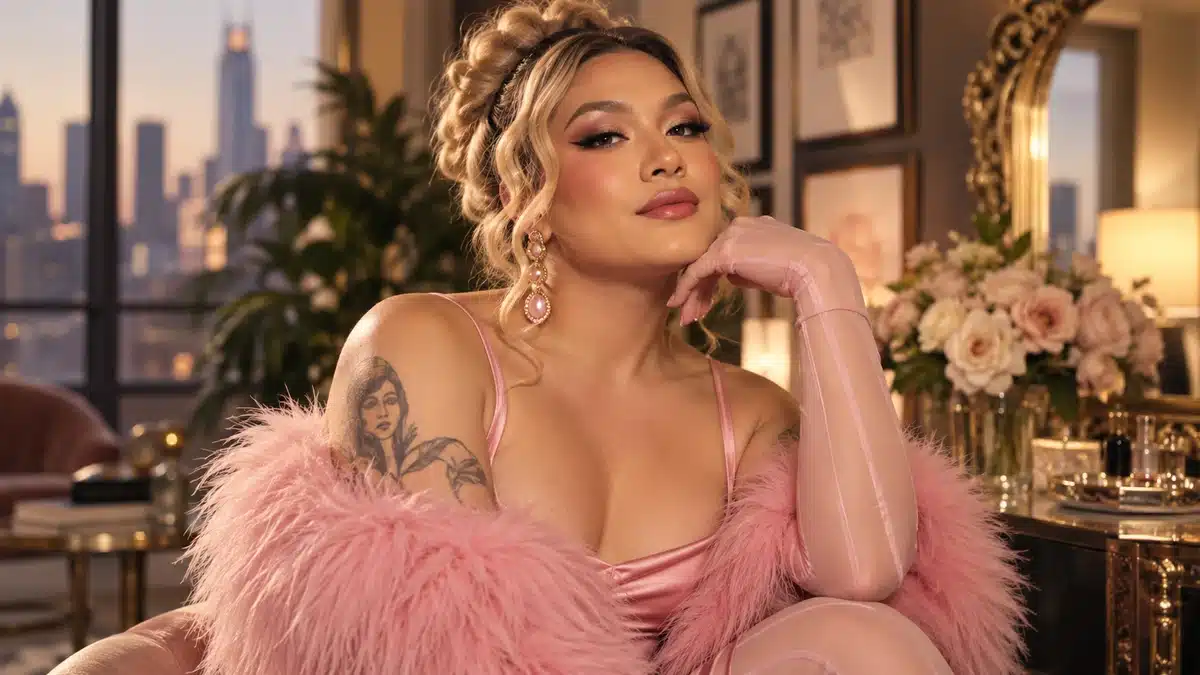
High Femme Meaning: Queer Femininity, History & Identity

In this article

Reviewed September 2026
Quick answer

High femme usually describes an intentionally pronounced or highly stylized form of queer femininity, or an identity built around that femininity. The term grows from broader femme traditions in LGBTQ+ communities, especially lesbian and queer culture, but its exact meaning varies by person and community.

What does high femme mean?

“High femme” is a queer term used for an especially intentional, pronounced or stylized expression of femininity. For some people it mainly describes presentation. For others it is an identity with deeper connections to queer history, community and the deliberate reclamation of femininity.

The phrase does not have one universal checklist. Someone does not become high femme simply by wearing makeup, dresses or heels, and not every feminine LGBTQ+ person identifies as femme.

Where does femme identity come from?

Modern queer uses of femme have important roots in lesbian communities. Historical work on queer femme culture traces femme identity to North American working-class lesbian bar cultures of the 1940s and 1950s, where femme and butch identities developed in relation to one another.

The meaning has expanded over time. University LGBTQ+ glossaries now note that femme is used by a wider range of LGBTQIA+ people to describe an identity or gender expression that relates to femininity.

What makes “high femme” different from “femme”?

There is no official dividing line. In ordinary use, “high femme” often suggests a more visibly deliberate or intensified femininity — polished styling, glamour, elaborate presentation or a strong identification with feminine aesthetics.

But treating high femme as merely “femme, only more makeup” misses the cultural element. For some people, the point is the intentional queer ownership of femininity rather than the amount of any particular clothing or beauty product.

Is high femme a gender identity or a style?

It can function as either, depending on the person. One person may describe their style as high femme while using another word for gender. Another may experience femme itself as an important gender identity.

This is why context matters. LGBTQ+ terminology evolves, and identity labels are usually most accurate when people define what the label means for themselves.

Do high femmes have a particular sexual role?

No. A common stereotype links feminine presentation with passivity, receptivity or a particular sexual role. Presentation does not tell you whether someone is dominant, submissive, a top, a bottom, a switch or uninterested in those labels.

The older Winixu article blurred high femme with concepts such as stone femme and sexual roles too strongly. Those terms can overlap in some communities, but they are not interchangeable.

What is stone femme?

“Stone femme” is a separate queer identity with its own histories and community meanings, often involving specific boundaries around giving and receiving sexual touch. It should not be treated as simply a more intense version of high femme.

Because the term can carry personal and community-specific meanings, it is better to let people who use it define their own boundaries rather than assuming them from the label.

Can a nonbinary person be high femme?

Yes. Femme language is used by some nonbinary and gender-diverse people as well as women. Femme does not automatically mean “woman,” and feminine gender expression does not determine somebody’s gender identity.

If you are also exploring language around gender expression and pronouns, see our guide to neopronouns and how to use them.

Useful distinctions:

  • Feminine: a broad description of expression or traits culturally associated with femininity.
  • Femme: a queer identity or presentation with particular LGBTQ+ cultural histories.
  • High femme: often an intentionally pronounced or highly stylized queer femininity.
  • Stone femme: a separate identity that can include specific relational or sexual boundaries.
Best rule: identity language is descriptive, not prescriptive. If somebody tells you they are high femme, their own explanation matters more than a rigid internet checklist.

Frequently asked questions

What does high femme mean?

High femme usually refers to an intentionally pronounced or highly stylized queer femininity, either as presentation, identity or both.

Is high femme the same as being very feminine?

Not necessarily. High femme usually carries a queer cultural context rather than simply describing how feminine someone looks.

Can a nonbinary person be high femme?

Yes. Femme language is used by some nonbinary and gender-diverse people as well as women.

Does high femme mean bottom or submissive?

No. Feminine presentation does not determine a person’s sexual role, dominance or submission preferences.

Is high femme the same as stone femme?

No. Stone femme is a separate identity with its own histories and can involve specific boundaries around sexual touch.

Sources and further reading

About Winixu.net: Educational and informational guides about sexuality, relationships, intimacy, kinks and adult lifestyle. Content is intended for adults.

High Femme Meaning: Queer Femininity, History & Identity

Reviewed September 2026
Quick answer

High femme usually describes an intentionally pronounced or highly stylized form of queer femininity, or an identity built around that femininity. The term grows from broader femme traditions in LGBTQ+ communities, especially lesbian and queer culture, but its exact meaning varies by person and community.

What does high femme mean?

“High femme” is a queer term used for an especially intentional, pronounced or stylized expression of femininity. For some people it mainly describes presentation. For others it is an identity with deeper connections to queer history, community and the deliberate reclamation of femininity.

The phrase does not have one universal checklist. Someone does not become high femme simply by wearing makeup, dresses or heels, and not every feminine LGBTQ+ person identifies as femme.

Where does femme identity come from?

Modern queer uses of femme have important roots in lesbian communities. Historical work on queer femme culture traces femme identity to North American working-class lesbian bar cultures of the 1940s and 1950s, where femme and butch identities developed in relation to one another.

The meaning has expanded over time. University LGBTQ+ glossaries now note that femme is used by a wider range of LGBTQIA+ people to describe an identity or gender expression that relates to femininity.

What makes “high femme” different from “femme”?

There is no official dividing line. In ordinary use, “high femme” often suggests a more visibly deliberate or intensified femininity — polished styling, glamour, elaborate presentation or a strong identification with feminine aesthetics.

But treating high femme as merely “femme, only more makeup” misses the cultural element. For some people, the point is the intentional queer ownership of femininity rather than the amount of any particular clothing or beauty product.

Is high femme a gender identity or a style?

It can function as either, depending on the person. One person may describe their style as high femme while using another word for gender. Another may experience femme itself as an important gender identity.

This is why context matters. LGBTQ+ terminology evolves, and identity labels are usually most accurate when people define what the label means for themselves.

Do high femmes have a particular sexual role?

No. A common stereotype links feminine presentation with passivity, receptivity or a particular sexual role. Presentation does not tell you whether someone is dominant, submissive, a top, a bottom, a switch or uninterested in those labels.

The older Winixu article blurred high femme with concepts such as stone femme and sexual roles too strongly. Those terms can overlap in some communities, but they are not interchangeable.

What is stone femme?

“Stone femme” is a separate queer identity with its own histories and community meanings, often involving specific boundaries around giving and receiving sexual touch. It should not be treated as simply a more intense version of high femme.

Because the term can carry personal and community-specific meanings, it is better to let people who use it define their own boundaries rather than assuming them from the label.

Can a nonbinary person be high femme?

Yes. Femme language is used by some nonbinary and gender-diverse people as well as women. Femme does not automatically mean “woman,” and feminine gender expression does not determine somebody’s gender identity.

If you are also exploring language around gender expression and pronouns, see our guide to neopronouns and how to use them.

Useful distinctions:

  • Feminine: a broad description of expression or traits culturally associated with femininity.
  • Femme: a queer identity or presentation with particular LGBTQ+ cultural histories.
  • High femme: often an intentionally pronounced or highly stylized queer femininity.
  • Stone femme: a separate identity that can include specific relational or sexual boundaries.
Best rule: identity language is descriptive, not prescriptive. If somebody tells you they are high femme, their own explanation matters more than a rigid internet checklist.

Frequently asked questions

What does high femme mean?

High femme usually refers to an intentionally pronounced or highly stylized queer femininity, either as presentation, identity or both.

Is high femme the same as being very feminine?

Not necessarily. High femme usually carries a queer cultural context rather than simply describing how feminine someone looks.

Can a nonbinary person be high femme?

Yes. Femme language is used by some nonbinary and gender-diverse people as well as women.

Does high femme mean bottom or submissive?

No. Feminine presentation does not determine a person’s sexual role, dominance or submission preferences.

Is high femme the same as stone femme?

No. Stone femme is a separate identity with its own histories and can involve specific boundaries around sexual touch.

Sources and further reading

Leave a Comment