
How to Finger Yourself: 10 Techniques, Anatomy & Safety

In this article

Reviewed September 2026
Quick answer

Fingering yourself can include external clitoral and vulvar touch, internal vaginal stimulation, or a combination of both. Start gently, use clean hands and enough lubrication, and treat comfort as more important than copying any particular technique.

Start with anatomy, not a technique

If you want to learn how to finger yourself, the most useful first step is knowing what you are actually touching. The vulva is the external genital area. It includes the labia, clitoris, vaginal opening and urethral opening. The vagina is the internal canal.

The clitoris is especially important for pleasure. Only a small part is visible externally; much of the structure extends internally around the vaginal area. That is one reason different kinds of touch can feel connected rather than completely separate.

There is no one “correct” fingering technique. What feels good varies from person to person, and even the same body may prefer different pressure or rhythm on different days.

Before you begin: hands, nails and lubricant

Wash your hands first and make sure your nails do not have sharp edges. Small cuts around the vulva or vaginal opening can make friction uncomfortable.

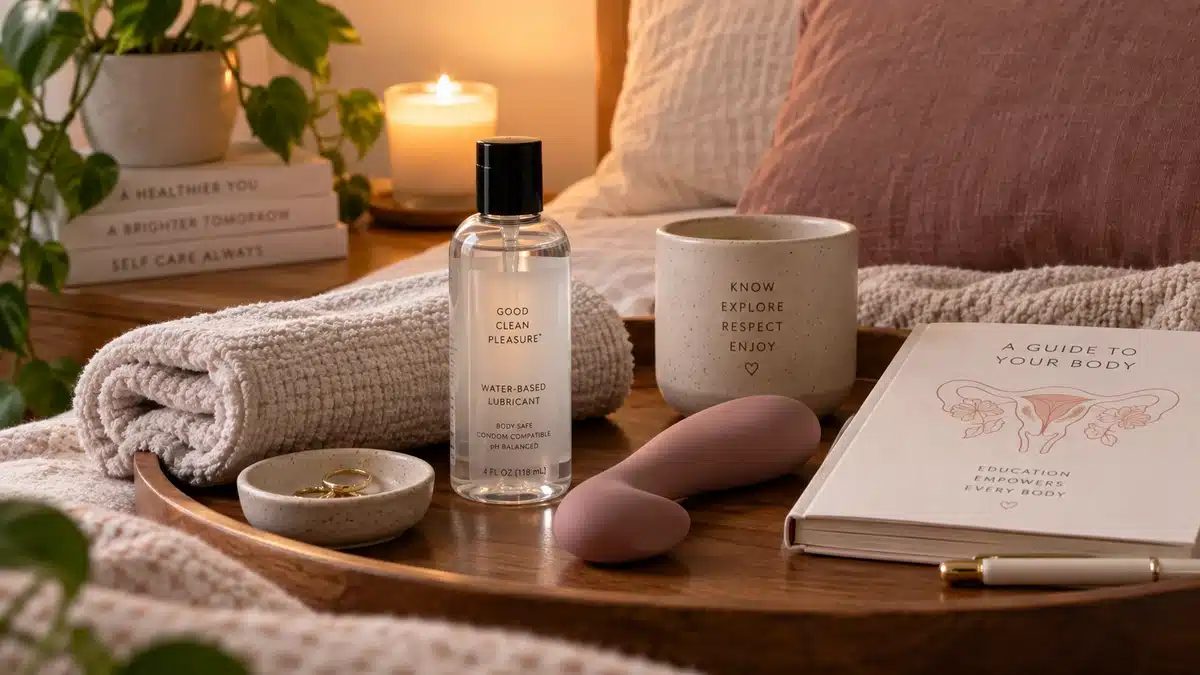
Lubricant can make touch smoother, especially for internal stimulation. Water-based lubricant is a simple general-purpose option and is compatible with most toys if you decide to combine fingers with a vibrator later.

A useful setup:

  • Clean hands and smooth nails.
  • A private, comfortable position where your muscles can relax.
  • Water-based lubricant within reach.
  • No pressure to orgasm or use penetration.
  • Permission to change technique whenever something stops feeling good.

10 fingering techniques to explore

1. Start around the vulva

Begin with broad, gentle touch around the outer labia and pubic area rather than going straight to the most sensitive spot. This can help you notice where touch feels pleasant without creating sensory overload.

2. Trace around the clitoral hood

Some people find direct clitoral touch too intense. Try small circles or slow strokes around the hood and surrounding tissue instead.

3. Use circular clitoral motion

With lubrication, make small or medium circles near the clitoris. Experiment with clockwise, counter-clockwise, tighter and wider circles rather than assuming one pattern is universally better.

4. Try up-and-down strokes

A vertical rhythm along one side of the clitoral hood can feel very different from circular touch. Keep the pressure light at first.

5. Change pressure before changing speed

A common mistake is to keep getting faster. Sometimes changing from light pressure to moderate pressure — while keeping the same rhythm — creates a more useful contrast.

6. Try one lubricated finger internally

If internal touch interests you, start slowly with one lubricated finger. The aim is not depth. Explore what different angles and shallow movements feel like while keeping your pelvic floor relaxed.

7. Explore the front vaginal wall

Some people notice a pleasurable area along the front wall of the vagina, toward the belly. Others do not experience it as especially distinct. Treat this as an area to explore, not a button you are supposed to find.

8. Combine internal and external touch

You can use one hand internally while the other hand stimulates the clitoris or vulva externally. This is one route people use when exploring the dual stimulation described in our guide to blended orgasms and dual stimulation.

9. Pause and restart

Stopping briefly can change sensation. If a rhythm starts to feel numb or too intense, take a short pause, reduce pressure and begin again differently.

10. Follow the sensation instead of the list

The final technique is the most important: stop treating the guide as a checklist. Once you find a movement your body clearly likes, stay with it. Consistency often matters more than novelty close to orgasm.

What if your clitoris feels too sensitive?

Direct touch is not comfortable for everyone. If your clitoris quickly becomes overly sensitive, move around the hood, use a broader fingertip contact, decrease pressure or pause. Our guide to clitoral sensitivity explains when sensitivity is ordinary and when pain or irritation deserves more attention.

Can fingering cause an STI?

The risk from fingering is generally lower than from many other sexual activities, but infections can still be transmitted in some situations, especially when body fluids, open cuts or shared contact between body areas are involved.

If fingers move between different partners or body areas, washing hands or changing gloves can reduce cross-contamination. Avoid touching irritated or broken skin.

When to stop

Pleasure can involve pressure, fullness or intensity, but sharp pain, burning, bleeding or persistent discomfort are reasons to stop. If pain keeps happening even with gentle touch and lubrication, a sexual-health clinician can help identify possible causes.

Bottom line: the goal is not to perform ten techniques perfectly. It is to learn what type of touch your own body prefers.

Frequently asked questions

Is fingering yourself safe?

It is generally low risk when your hands are clean, nails are smooth and you stop if touch becomes painful or irritating.

Do I need to put fingers inside the vagina?

No. Many people prefer external clitoral and vulvar stimulation, and penetration is optional.

Should I use lubricant when fingering myself?

Lubricant is not mandatory, but it can reduce friction and make both external and internal touch more comfortable.

Why is direct clitoral touch too intense for me?

The clitoris is highly sensitive. Indirect touch around the hood or lighter pressure may feel better than continuous direct contact.

Can fingering cause an STI?

The risk is usually lower than with many other sexual activities, but transmission can still be possible when infected fluids, sores, cuts or cross-contamination are involved.


Sources and further reading

About Winixu.net: Educational and informational guides about sexuality, relationships, intimacy, kinks and adult lifestyle. Content is intended for adults.

How to Finger Yourself: 10 Techniques, Anatomy & Safety

Reviewed September 2026
Quick answer

Fingering yourself can include external clitoral and vulvar touch, internal vaginal stimulation, or a combination of both. Start gently, use clean hands and enough lubrication, and treat comfort as more important than copying any particular technique.

Start with anatomy, not a technique

If you want to learn how to finger yourself, the most useful first step is knowing what you are actually touching. The vulva is the external genital area. It includes the labia, clitoris, vaginal opening and urethral opening. The vagina is the internal canal.

The clitoris is especially important for pleasure. Only a small part is visible externally; much of the structure extends internally around the vaginal area. That is one reason different kinds of touch can feel connected rather than completely separate.

There is no one “correct” fingering technique. What feels good varies from person to person, and even the same body may prefer different pressure or rhythm on different days.

Before you begin: hands, nails and lubricant

Wash your hands first and make sure your nails do not have sharp edges. Small cuts around the vulva or vaginal opening can make friction uncomfortable.

Lubricant can make touch smoother, especially for internal stimulation. Water-based lubricant is a simple general-purpose option and is compatible with most toys if you decide to combine fingers with a vibrator later.

A useful setup:

  • Clean hands and smooth nails.
  • A private, comfortable position where your muscles can relax.
  • Water-based lubricant within reach.
  • No pressure to orgasm or use penetration.
  • Permission to change technique whenever something stops feeling good.

10 fingering techniques to explore

1. Start around the vulva

Begin with broad, gentle touch around the outer labia and pubic area rather than going straight to the most sensitive spot. This can help you notice where touch feels pleasant without creating sensory overload.

2. Trace around the clitoral hood

Some people find direct clitoral touch too intense. Try small circles or slow strokes around the hood and surrounding tissue instead.

3. Use circular clitoral motion

With lubrication, make small or medium circles near the clitoris. Experiment with clockwise, counter-clockwise, tighter and wider circles rather than assuming one pattern is universally better.

4. Try up-and-down strokes

A vertical rhythm along one side of the clitoral hood can feel very different from circular touch. Keep the pressure light at first.

5. Change pressure before changing speed

A common mistake is to keep getting faster. Sometimes changing from light pressure to moderate pressure — while keeping the same rhythm — creates a more useful contrast.

6. Try one lubricated finger internally

If internal touch interests you, start slowly with one lubricated finger. The aim is not depth. Explore what different angles and shallow movements feel like while keeping your pelvic floor relaxed.

7. Explore the front vaginal wall

Some people notice a pleasurable area along the front wall of the vagina, toward the belly. Others do not experience it as especially distinct. Treat this as an area to explore, not a button you are supposed to find.

8. Combine internal and external touch

You can use one hand internally while the other hand stimulates the clitoris or vulva externally. This is one route people use when exploring the dual stimulation described in our guide to blended orgasms and dual stimulation.

9. Pause and restart

Stopping briefly can change sensation. If a rhythm starts to feel numb or too intense, take a short pause, reduce pressure and begin again differently.

10. Follow the sensation instead of the list

The final technique is the most important: stop treating the guide as a checklist. Once you find a movement your body clearly likes, stay with it. Consistency often matters more than novelty close to orgasm.

What if your clitoris feels too sensitive?

Direct touch is not comfortable for everyone. If your clitoris quickly becomes overly sensitive, move around the hood, use a broader fingertip contact, decrease pressure or pause. Our guide to clitoral sensitivity explains when sensitivity is ordinary and when pain or irritation deserves more attention.

Can fingering cause an STI?

The risk from fingering is generally lower than from many other sexual activities, but infections can still be transmitted in some situations, especially when body fluids, open cuts or shared contact between body areas are involved.

If fingers move between different partners or body areas, washing hands or changing gloves can reduce cross-contamination. Avoid touching irritated or broken skin.

When to stop

Pleasure can involve pressure, fullness or intensity, but sharp pain, burning, bleeding or persistent discomfort are reasons to stop. If pain keeps happening even with gentle touch and lubrication, a sexual-health clinician can help identify possible causes.

Bottom line: the goal is not to perform ten techniques perfectly. It is to learn what type of touch your own body prefers.

Frequently asked questions

Is fingering yourself safe?

It is generally low risk when your hands are clean, nails are smooth and you stop if touch becomes painful or irritating.

Do I need to put fingers inside the vagina?

No. Many people prefer external clitoral and vulvar stimulation, and penetration is optional.

Should I use lubricant when fingering myself?

Lubricant is not mandatory, but it can reduce friction and make both external and internal touch more comfortable.

Why is direct clitoral touch too intense for me?

The clitoris is highly sensitive. Indirect touch around the hood or lighter pressure may feel better than continuous direct contact.

Can fingering cause an STI?

The risk is usually lower than with many other sexual activities, but transmission can still be possible when infected fluids, sores, cuts or cross-contamination are involved.

Sources and further reading

Leave a Comment