
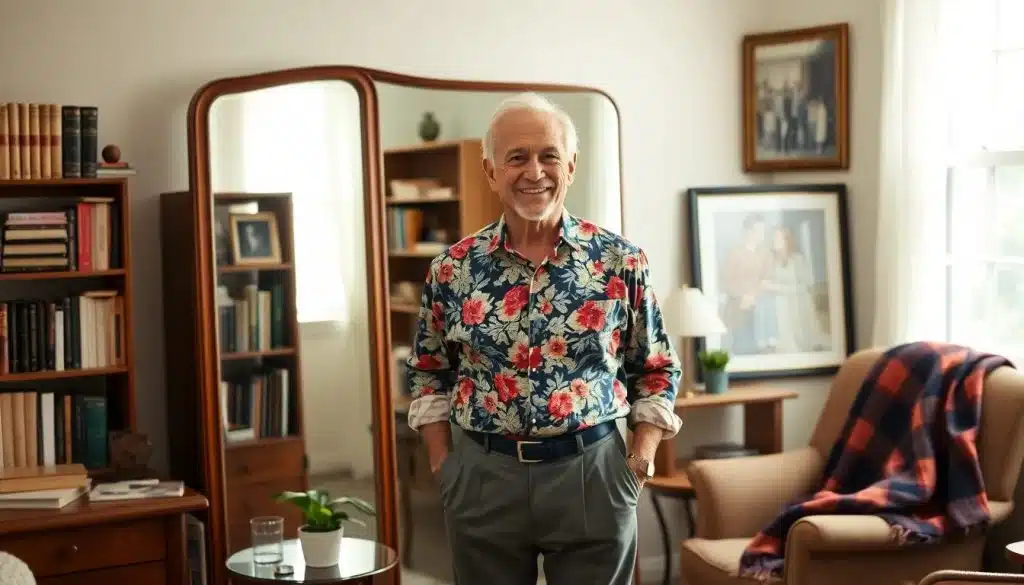
Cross dressing among older men can be a multifaceted topic, often entangled with elements of identity, self-expression, and emotional well-being. This article delves into the psychology behind cross dressing in older men, exploring the reasons behind this behavior and its implications.
What Causes Cross Dressing in Males?
Many factors contribute to the phenomenon of cross dressing among males. From a psychological standpoint, it can often be linked to an exploration of identity and the breaking of traditional gender norms.
One underlying cause may be the desire for self-expression. Older men may find comfort in wearing clothing that aligns more closely with their personal identity or emotional state. This can serve as a form of creative outlet, allowing them to express feelings that might otherwise remain suppressed.
Additionally, experiences from childhood can play a role. Some men may have engaged in cross dressing during their formative years and carried that desire into adulthood. This behavior can sometimes provide a sense of nostalgia and connection to their past selves.
Another significant factor is the influence of societal norms. As societal perceptions of gender roles evolve, older men may feel more liberated to explore their identities through cross dressing without the constraints they once faced.
What Triggers Cross Dressing in Adults?
Various triggers can lead to cross dressing in adults, particularly in older men. Stress and emotional turmoil are common catalysts, as individuals often seek alternative ways to cope with their feelings.
Life changes such as retirement, the loss of a loved one, or changes in health can act as triggers. These transitions may prompt individuals to reflect on their identities and seek comfort in cross dressing as a means of reclaiming joy or selfhood.
Furthermore, the exploration of sexual arousal can also play a role. For some, cross dressing may be linked to feelings of excitement, particularly when it comes to breaking societal norms. It can serve as a unique form of erotic expression, providing a sense of thrill or adventure.
Lastly, the need for self-acceptance is vital. Those who cross dress may be searching for ways to embrace their authentic selves, seeking to align their external appearance with their internal identity.
What Does Cross Dressing Indicate?
Cross dressing can indicate a myriad of personal and psychological factors. Primarily, it serves as a form of self-exploration. For older men, this behavior can be a significant aspect of understanding their own gender identity and expression.
In many cases, cross dressing can signify a rejection of traditional gender roles. It can highlight the evolving nature of masculinity and femininity, allowing individuals to create their own definitions of these concepts.
Cross dressing can also be tied to emotional well-being. Many older men report feelings of relief and happiness when engaging in cross dressing, indicating that it can be a beneficial coping mechanism.
However, it’s essential to note that cross dressing does not inherently mean a person identifies as transgender. Many cross dressers do so purely for reasons of comfort, expression, or personal enjoyment, rather than as a means of changing their gender identity.
Is Cross Dressing a Mental Health Issue?
Cross dressing itself is not classified as a mental health disorder. However, understanding the emotional and psychological aspects surrounding this behavior is crucial. The majority of individuals who engage in cross dressing do not struggle with psychiatric disorders. Instead, they may use this practice as a form of self-acceptance.
However, some individuals may experience emotional challenges related to societal stigma or personal conflicts about their identity. This can lead to feelings of shame or anxiety, which can be problematic if not addressed appropriately.
It is also important to distinguish between cross dressing as a lifestyle choice and conditions like transvestic fetishism, which may involve more complex emotional and psychological dynamics. Seeking professional support can greatly enhance understanding and acceptance for those who find themselves struggling with these feelings.
How Common is Cross Dressing?
Cross dressing is more common than many people might think. Studies suggest that a significant percentage of men, particularly older ones, have engaged in cross dressing at some point in their lives.
A survey indicated that approximately 10% of men have dressed in women’s clothing, highlighting the prevalence of this behavior across different age groups.
It is important to note that the frequency of cross dressing can vary widely. Some individuals may dress occasionally, while others may integrate it into their daily lives. Factors such as cultural background and personal beliefs can also influence how common this behavior is in different communities.
Understanding these statistics can help combat misconceptions about cross dressing, normalizing it as a part of human diversity rather than viewing it as a fringe behavior.
Women Who Like Cross Dressing Men?
The dynamics of attraction can be complex when it comes to women who are interested in men who cross dress. For some, it can signify openness and a break from traditional gender norms, which can be appealing traits.
Women may appreciate a partner who is comfortable enough in their skin to express themselves freely. This can enhance the emotional connection and intimacy within the relationship.
Moreover, there can be an element of excitement associated with cross dressing. For some women, the allure of dressing in an unconventional manner can create a unique and thrilling experience.
It is essential to promote open communication between partners to navigate this aspect of a relationship effectively. Understanding each other’s needs and desires can foster a supportive environment where both individuals feel validated.
Related Questions about Cross Dressing in Older Men
Questions related to the psychology of cross dressing in older men
Why do older men cross-dress?
Older men may cross-dress for a variety of reasons, primarily as a means of self-exploration. As they age, they might feel more liberated to express themselves outside of traditional gender norms. This change can lead to a newfound appreciation for their identities, often resulting in cross dressing as a form of self-expression.
Additionally, many older men find that cross dressing provides a release from societal pressures. As they transition into different life stages, such as retirement, they might seek comfort in activities that reflect their true selves. This journey often leads them to embrace aspects of their identity they may have hidden in the past.
Lastly, cross dressing can serve a therapeutic function. Engaging in this practice may allow older men to process emotions, cope with stress, or even connect with memories from their past, providing a sense of fulfillment and joy that is often essential during later life stages.
Why do some men secretly cross-dress?
Secret cross dressing among men can stem from various factors, often linked to feelings of shame or societal expectations. Many men fear judgment from their peers or family members, leading them to keep this aspect of their lives hidden. This secrecy can be fueled by a lack of understanding and acceptance of cross dressing in broader society.
For some, the thrill of secrecy can also be a motivating factor. The act of cross dressing in private can provide a sense of excitement and adventure, heightening the emotional experience. However, this secrecy can also lead to feelings of isolation and guilt, as the individual grapples with their desire to express themselves versus the fear of societal repercussions.
Lastly, some men may feel they have a unique connection to the act of cross dressing that they are not ready to share. This personal journey of self-discovery can be complex, making it challenging to open up about these experiences. Support from loved ones and understanding can be crucial in helping to alleviate these fears and promote acceptance.