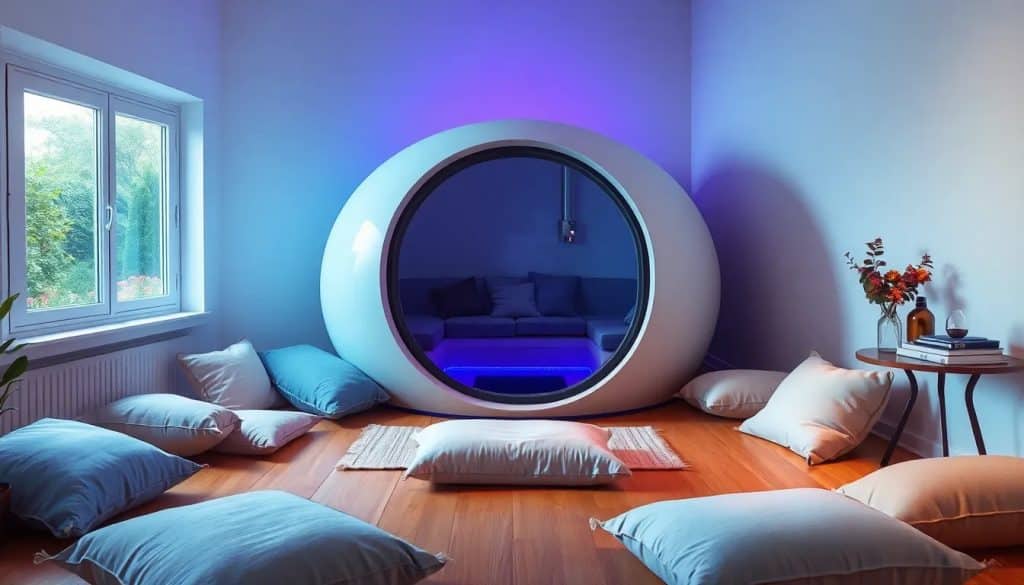
Creating a sensory self-soothing kit is an effective way for adults with sensory sensitivities to manage overwhelming situations. These kits can help promote calmness and emotional stability, serving as a personal sanctuary during times of stress.
In this article, we will explore various tools and techniques that you can incorporate into your sensory kit to enhance your overall well-being. From sensory deprivation methods to practical items that soothe, there’s something for everyone.
What Are The Benefits Of A Sensory Self-Soothing Kit?
A sensory self-soothing kit is more than just a collection of items; it’s a pathway to emotional regulation. One of the primary benefits of such a kit is its ability to help manage stress levels and promote calmness during overwhelming moments.
Additionally, these kits can assist in reducing symptoms of anxiety by providing immediate sensory relief. When equipped with the right tools, individuals can effectively navigate day-to-day challenges while maintaining emotional stability.
- Enhances emotional regulation
- Promotes mindfulness and relaxation
- Offers distraction during distressing moments
- Tailorable to individual sensory needs
Creating multiple kits for different environments—like work or home—can enhance accessibility, ensuring that you always have calming tools on hand. This adaptability can be vital for those dealing with sensory overload.
How To Choose Items For Your Sensory Self-Soothing Kit?
Choosing items for your sensory self-soothing kit should be a thoughtful process. Consider incorporating items that stimulate each of the five senses to create a balanced approach. Here are some suggestions:
- Sight: Use calming images or a small kaleidoscope.
- Sound: Include soothing music playlists or noise-canceling headphones.
- Touch: Add textured items like stress balls or soft fabrics.
- Taste: Include herbal teas or flavored chewing gum.
- Smell: Incorporate essential oils or scented candles.
When assembling your kit, prioritize portability. Choose a container that is easy to carry, such as a small backpack or a decorative box. This way, you can take your sensory tools wherever you go, ensuring you have access when you need it most.
What Sensory Deprivation Tools And Techniques Should You Consider?
Sensory deprivation techniques can be incredibly beneficial for relaxation and self-discovery. Tools like floatation tanks, which provide a weightless environment, are popular choices for those looking to reduce external stimuli.
Another effective method is mindfulness meditation, which encourages introspection. This practice can alter brain activity, resulting in increased alpha waves associated with relaxation. Consider including some guided meditation audio in your sensory kit.
- Floatation tanks
- Dark retreats
- Mindfulness meditation
- Breathwork exercises
These techniques not only help in inducing a state of calm but also foster creativity and mental clarity. However, it’s crucial to approach sensory deprivation with caution, especially if you have underlying health concerns.
How Can A Sensory Self-Soothing Kit Help With Anxiety?
A sensory self-soothing kit can be a powerful ally in managing anxiety. By engaging the senses, individuals can redirect their focus away from anxious thoughts. This redirection promotes a sense of calm and security, making it easier to cope with stressors.
Moreover, having a personalized kit allows individuals to experiment with different sensory items to discover which ones work best for them. This tailored approach to soothing techniques can significantly enhance emotional resilience.
- Provides immediate sensory relief
- Encourages grounding during panic attacks
- Supports emotional stability through consistent use
For those struggling with anxiety, the integration of sensory calming activities can lead to long-term improvements in overall well-being. Regular use of a sensory kit can help establish healthier coping mechanisms.
What Are Some Effective Sensory Calming Activities For Adults?
Engaging in sensory calming activities can significantly improve emotional well-being. Some effective activities include:
- Mindful breathing: Focus on your breath, inhaling deeply and exhaling slowly.
- Progressive muscle relaxation: Tense and release various muscle groups to relieve tension.
- Guided imagery: Use visualization techniques to transport yourself to a calming place.
These activities not only promote relaxation but also encourage self-awareness. Engaging regularly in such practices can help individuals better manage their sensory overload and emotional responses.
How To Implement Sensory Tools In The Classroom For Better Engagement?
Integrating sensory tools in the classroom is essential for enhancing engagement, especially for students with sensory needs. Using a sensory toolkit can help maintain focus and participation, ultimately benefiting their learning experience.
Teachers can create a sensory-friendly environment by incorporating flexible seating options, such as bean bags or balance balls, allowing students to choose how they are most comfortable.
- Use manipulatives during lessons for hands-on learning.
- Schedule regular sensory breaks to reset and refocus.
- Educate students on the importance of emotional regulation.
These strategies not only support academic engagement but also foster emotional regulation and social skills among students. By embedding sensory tools into daily routines, educators can create a more inclusive classroom environment.
What Safety Considerations Should Be Taken With Sensory Deprivation Methods?
While sensory deprivation techniques can be beneficial, it’s essential to consider safety guidelines. Before engaging in methods like floatation therapy or dark retreats, individuals should assess their health conditions and consult with a healthcare professional if necessary.
It’s also crucial to create a safe environment when using sensory deprivation tools, ensuring that there is minimal risk of injury or distress. Begin with shorter sessions to gauge comfort levels and gradually increase duration as needed.
- Consult a healthcare provider before trying new methods.
- Always have a safety plan in place.
- Ensure the environment is comfortable and secure.
By following these precautions, individuals can safely explore the potential benefits of sensory deprivation techniques while minimizing risks.
Frequently Asked Questions About Sensory Deprivation Tools And Techniques
What are the techniques of sensory deprivation?
Sensory deprivation techniques often involve methods that reduce external stimuli to create a relaxing environment. Techniques can include floatation therapy, where individuals float in a dark, soundproof tank filled with saltwater, allowing them to experience weightlessness.
Another common technique is mindfulness meditation, focusing attention inward to promote relaxation. These techniques can help enhance creativity and reduce mental clutter, leading to improved emotional well-being.
What things do you crave for sensory stimulation?
Many people crave various items for sensory stimulation, often seeking out textures, sounds, or smells that are comforting. For instance, soft fabrics or squishy stress balls can provide tactile engagement.
Additionally, calming scents like lavender or vanilla can help soothe anxiety, while gentle music or nature sounds can create a peaceful auditory environment. Understanding personal sensory preferences is key to curating an effective sensory toolkit.
How do I calm down my sensory processing disorder?
Calming sensory processing disorder can involve a combination of strategies tailored to individual needs. Utilizing a sensory self-soothing kit filled with carefully selected items can provide immediate relief.
Techniques such as deep pressure techniques, which involve applying firm touch or weight to the body, can also be effective. This can include weighted blankets or compression clothing designed to promote feelings of safety and calmness.
What items help with overstimulation?
When dealing with overstimulation, certain items can be particularly helpful. Noise-canceling headphones are excellent for reducing auditory distractions, while fidget tools can provide an outlet for excess energy.
Additionally, having a selection of calming scents, such as essential oils, can significantly help in grounding oneself during overwhelming situations. Engaging in these sensory calming activities can lead to improved emotional regulation.
In summary, creating a sensory self-soothing kit tailored to individual needs can empower adults with sensory sensitivities. By utilizing the right tools and techniques, individuals can navigate challenging situations with greater ease and confidence.