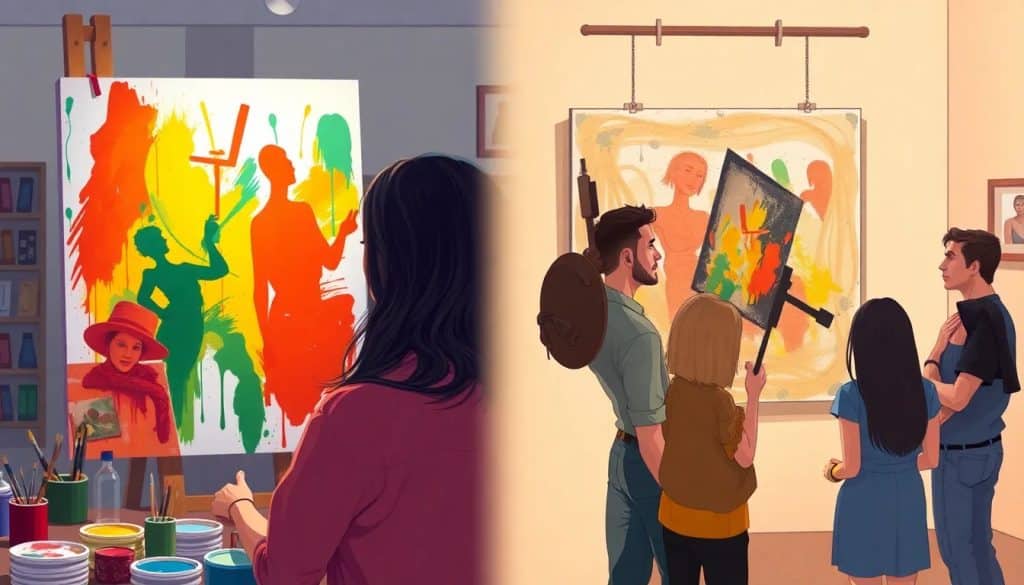

The debate surrounding the distinction between art and pornography has persisted through centuries, igniting discussions about morality, societal norms, and artistic freedom. One’s art is another’s porn reflects the subjective nature of this division, challenging viewers and critics alike to reconsider their perceptions. Through the works of provocative artists such as Robert Mapplethorpe and Nobuyoshi Araki, we can explore how culture and context shape our understanding of what constitutes art versus obscenity.
This article delves into the intricate boundaries that separate these two realms, examining historical cases and philosophical arguments that have shaped contemporary discourse.
What is the distinction between art and pornography?
The distinction between art and pornography often hinges on societal values and cultural context. While art aims to provoke thought and elicit emotional responses, pornography primarily seeks to stimulate sexual arousal. This fundamental difference is what many argue defines the boundaries of acceptable artistic expression.
Various factors contribute to how art and pornography are perceived:
- Intent: The creator’s intention behind a piece is crucial. Artistic works typically aim to explore themes or emotions, while pornographic content focuses on sexual gratification.
- Context: Where and how a piece is presented can influence its classification. A nude painting in a gallery may be deemed art, while the same image in a magazine could be viewed as pornographic.
- Reception: Audience interpretation plays a significant role. A controversial piece may be hailed as art by some while dismissed as pornography by others.
Ultimately, the line separating art from pornography is subjective and can vary dramatically across cultures and time periods. This fluidity invites ongoing discussion and exploration of what constitutes artistic freedom versus moral responsibility.
How did Robert Mapplethorpe challenge the boundaries of artistic expression?
Robert Mapplethorpe was a pivotal figure in the conversation about art’s boundaries, particularly through his provocative photography. His works often included themes of bondage, sexuality, and the human form, pushing societal norms to their limits. Mapplethorpe’s approach was both radical and celebrated, as he captured images that challenged the status quo.
One of his most famous exhibitions, “The Perfect Moment,” showcased a collection of photographs that included explicit imagery. This exhibition became a flashpoint for debates around artistic freedom, particularly when it was met with backlash from conservative groups. Critics deemed some of his works obscene, sparking legal battles and creating a national conversation about the role of government funding in art.
Mapplethorpe’s influence is evident in how modern artists address themes of sexuality and identity. His work paved the way for greater acceptance of diverse forms of artistic expression, encouraging artists to explore subjects previously considered taboo.
In what ways did Cincinnati react to the “Perfect Moment” exhibition?
The 1990 Cincinnati exhibition of Mapplethorpe’s work incited a whirlwind of controversy. The display of his photographs, which included explicit sadomasochistic imagery, prompted community outrage and legal repercussions for the museum and its director. Critics argued that the exhibition was inappropriate for public funding and challenged the moral fabric of society.
As protests erupted, the city found itself at the heart of the broader culture wars regarding artistic expression and decency. Supporters of the exhibition rallied for artistic freedom, arguing that suppressing controversial art stifles creativity and discourse.
- The backlash led to significant discussions about censorship and the role of the National Endowment for the Arts in funding controversial projects.
- In the end, the exhibition was canceled at the Corcoran Gallery, highlighting the tension between artistic expression and public morality.
- Mapplethorpe’s work continued to spark dialogue long after, influencing how we perceive the intersections of art, obscenity, and politics.
This incident exemplifies the challenges artists face when navigating societal expectations and the potential consequences of pushing boundaries.
How does Joyce define proper art versus improper art?
James Joyce’s perspective on art offers a nuanced lens through which to examine the distinction between proper and improper art. He believed that proper art inspires aesthetic contemplation, leading audiences to reflect on deeper truths and the human condition. In contrast, improper art provokes merely desire and action, lacking the transformative power of genuine artistic expression.
Joyce’s philosophy emphasizes the importance of intention and reception in defining art. He argued that art should elevate the viewer, promoting an appreciation of beauty and depth rather than merely catering to baser instincts. This distinction raises vital questions about how contemporary society interprets and values different forms of artistic expression.
In Joyce’s view, art should connect audiences with profound experiences and reflections, blurring the line between art and life itself. This perspective invites artists to consider the moral implications of their work and the messages conveyed through their art.
What role does nudity play in sacred art?
Nudity in sacred art has been a subject of debate throughout history, often challenging the boundaries of acceptability in religious contexts. Artists like Michelangelo have depicted the human form in ways that evoke both reverence and controversy. His works, such as those found in the Sistine Chapel, showcase the beauty of the naked body, celebrating its divine origin.
Christian teachings traditionally view the human body as inherently good, contradicting heretical perspectives that deem it sinful. This dichotomy raises questions about the role of nudity in expressing spiritual truths versus succumbing to mere sensuality.
- Artistic nudity in sacred contexts often serves to highlight the divine nature of humanity, inviting contemplation rather than objectification.
- Viewing the human body through a lens of reverence allows for a more profound appreciation of its connection to spirituality and the divine.
- Respectful depictions can evoke wonder, while sensationalized portrayals may detract from the intended message of love and divinity.
Thus, nudity in sacred art serves as a powerful tool for exploring the intersection of the physical and the spiritual, challenging viewers to reconsider their perceptions of the body and its place in artistic expression.
How can obscenity enrich aesthetic evolution?
Obscenity, often viewed through a negative lens, can paradoxically contribute to the evolution of aesthetics in art. By pushing boundaries and challenging conventional norms, artists who incorporate provocative elements force audiences to confront discomfort and engage in critical dialogue.
This engagement can lead to a more profound understanding of art and its role in society, as it encourages reflection on cultural values and personal beliefs. Artists like Nobuyoshi Araki, known for his explicit and often controversial photography, exemplify how obscenity can provoke thought and inspire new artistic directions.
Furthermore, the dialogue surrounding obscenity in art prompts questions about censorship and artistic freedom. Challenging societal norms can foster an environment where creative exploration flourishes, ultimately enriching aesthetic experiences.
In this context, obscenity acts not as a mere shock tactic, but as a catalyst for evolution, pushing both artists and audiences to expand their perspectives and redefine the boundaries of artistic expression.
Questions related to the fine line between art and pornography
What is the difference between art and pornography?
The difference between art and pornography largely lies in intention and outcome. Art aims to provoke thought and evoke emotions, while pornography’s primary purpose is to elicit sexual arousal. Moreover, context plays a significant role; a piece may be considered art in a gallery setting but could be deemed pornographic in a different environment. This subjectivity is crucial to understanding how society classifies these forms of expression.
How did Robert Mapplethorpe influence modern art?
Robert Mapplethorpe’s influence on modern art is profound, especially in how artists approach themes of sexuality and identity. His work challenged societal norms and pushed the boundaries of acceptable artistic expression, leading to greater discussions about censorship and artistic freedom. By confronting controversial subjects, Mapplethorpe opened doors for future generations of artists to explore previously taboo themes without fear of retribution.
What was the controversy surrounding the “Perfect Moment” exhibition?
The controversy surrounding “The Perfect Moment” exhibition stemmed from its explicit content, leading to public outcry and legal actions. Critics deemed the images obscene, igniting debates about governmental support for art that some viewed as morally reprehensible. This incident highlighted the ongoing struggle between artistic freedom and societal values, marking a pivotal moment in the culture wars of the 1990s.
How does James Joyce’s philosophy apply to modern artistic debates?
James Joyce’s philosophy on art, emphasizing the distinction between proper and improper art, remains relevant in modern artistic debates. His views encourage discussions around the intent and impact of art on audiences. By advocating for art that elevates and inspires, Joyce prompts contemporary artists to consider the moral implications of their work, sparking dialogues about the responsibilities that come with creative expression.
What is the Church’s stance on nudity in sacred art?
The Church’s stance on nudity in sacred art has evolved over time. Traditionally, nudity is viewed as a celebration of the divine beauty of the human form, reflecting God’s creation. While some interpretations may lean towards modesty, the Church ultimately recognizes the potential for nudity to convey profound spiritual truths. Through respectful depictions, sacred art invites worshipers to appreciate the beauty and significance of the human body in relation to divine love.